Selling You a Best Friend: The Business of Fake Closeness Online
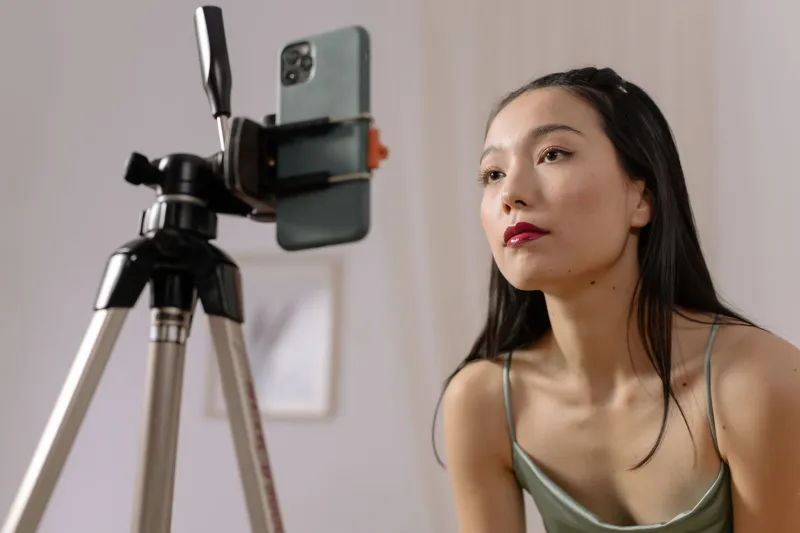
There's a creator I used to watch religiously. She'd film herself crying over her breakup, then pivot smoothly into a sponsored segment for a therapy app. The transition was seamless. Almost too seamless. And I remember thinking — wait, did I just watch someone grieve, or did I just watch a product demo?
That feeling? That's the parasocial economy doing exactly what it was designed to do.
What We Mean When We Talk About Parasocial Relationships
The term "parasocial" has been floating around pop psychology circles for a while now, but it's basically shorthand for a one-sided emotional relationship — you feel like you know someone who has absolutely no idea you exist. It's not a new phenomenon. People felt this way about Johnny Carson. About Oprah. About morning radio DJs who felt like they were talking directly to you during your commute.
What's different now is scale, access, and — critically — monetization infrastructure. Platforms like Patreon, OnlyFans, Substack, and even TikTok's creator fund have essentially built financial systems around the idea that closeness has cash value. The more a creator makes you feel like their confidant, their friend, their person — the more likely you are to subscribe, tip, buy the merch, or click the affiliate link.
And look, there's nothing inherently wrong with that. But it gets complicated fast.
The Architecture of Manufactured Intimacy
Here's how it usually works. A creator starts out sharing something real — maybe they open up about anxiety, a rough childhood, a health scare. The audience responds with warmth. Comments flood in. Subscriber numbers tick up. The algorithm rewards the vulnerability. So the creator shares more. Then more. Then the brand deals start arriving, and suddenly the vulnerability has a sponsor.
This isn't cynicism talking — it's just the logical endpoint of a system that rewards emotional disclosure. Creators aren't villains for responding to incentives. But the result is an environment where it becomes genuinely difficult to tell the difference between authentic self-expression and a carefully engineered emotional hook.
Some creators are remarkably self-aware about this. YouTuber and internet critic Hank Green has talked openly about the strange pressure creators feel to perform intimacy even when they're not feeling particularly intimate. Others, though, lean in hard — building entire brands around the idea that their audience is basically family, then charging that "family" $25 a month for access to a Discord server.
Who's Most Vulnerable — And Why It Matters
This is where things get genuinely uncomfortable to sit with.
Research consistently shows that younger audiences, particularly teenagers and people in their early twenties, are most susceptible to parasocial attachment. So are people experiencing loneliness, social anxiety, or major life transitions. These aren't edge cases — that's a significant chunk of the American internet audience, especially post-pandemic.
When creators specifically target these emotional states — and some do, consciously or not — the dynamic shifts from "content creator and fan" to something that looks a lot more like exploitation. There's a streamer on Twitch who built a following almost entirely around being emotionally available to lonely viewers at 2 a.m. His subscriber count is impressive. So is the number of Reddit threads from former fans describing how much money they spent trying to get his attention during streams.
None of that is technically illegal. Most of it isn't even against platform terms of service. But it does raise a question worth sitting with: at what point does monetizing intimacy become predatory?
The Psychological Cost Nobody Talks About
We spend a lot of time analyzing what parasocial monetization does to audiences. Less time gets spent on what it does to creators.
Performing vulnerability on a schedule is exhausting. Full stop. Creators who've stepped back from content — or burned out spectacularly in public — often describe the same thing: they stopped knowing where the performance ended and where they actually began. When your emotional life is also your revenue stream, it becomes nearly impossible to have a feeling without immediately calculating its content potential.
That's a genuinely disorienting way to live. And it tends to produce one of two outcomes: either the creator goes numb and the content becomes hollow (audiences can usually feel this, by the way), or they keep escalating the revelations to maintain the emotional charge — sharing things that maybe should have stayed private, dragging family members into the narrative, manufacturing drama to fill the intimacy gap.
Both paths lead somewhere messy.
So Where's the Line?
Honestly? It's blurry and it moves. But a few markers are worth paying attention to.
It starts feeling off when a creator's emotional disclosures are consistently timed to product launches. When the language of friendship is used to pressure purchases — "support me if you really care" energy. When creators actively discourage their audience from seeking real-world connection in favor of the community they're selling. Or when vulnerability is weaponized to deflect legitimate criticism.
None of this means you can't enjoy creators you feel connected to. Parasocial relationships can be genuinely enriching — they can introduce you to ideas, make you feel less alone, even model healthier emotional habits. The key is just staying honest with yourself about what the relationship actually is.
Your favorite creator doesn't know your name. And that's okay. It just means the closeness you feel is something you built — which is actually kind of interesting when you think about it. You're not being duped. You're participating in a story.
Just maybe don't pay $25 a month for the privilege of doing it.