Too Real for Their Own Good: How Radical Transparency Became a Career Liability
There's a particular kind of celebrity meltdown happening right now that doesn't involve a mugshot or a leaked tape. It's quieter than that, but somehow just as damaging. It happens in a tearful Instagram Live. A podcast confession that goes a little too far. A Twitter thread posted at 2 a.m. that gets screenshotted before the morning coffee is brewed.
We asked for this, by the way. All of us. We spent years complaining that celebrities were too polished, too managed, too PR-coached to be relatable. We wanted to see the real them. And now that we're getting it? We can't seem to decide whether we're touched or repulsed.
Welcome to the authenticity trap — the paradox where being genuinely human is simultaneously the most demanded and most punished thing a famous person can do.
The Demand We Created
Social media didn't just give celebrities a new platform. It fundamentally rewired what audiences expect from public figures. When someone like Chrissy Teigen built a massive following by being gloriously unfiltered — messy kitchen, blunt opinions, zero glamour — it sent a signal to the entire industry: raw beats refined.
And for a while, it worked beautifully. Authenticity was good business. The more human you seemed, the more people liked you, followed you, bought what you were selling. Brands chased it. Studios encouraged it. Publicists who once controlled every syllable their clients uttered started loosening the reins.
But the thing about authenticity as a brand strategy is that it's inherently unstable. Real people are inconsistent. They contradict themselves. They have bad days. They hold opinions that shift, or that some portion of their audience will find offensive. And when you've built your entire public identity on the promise of "no filter," there's nowhere to hide when the unfiltered version of you turns out to be complicated.
When Honesty Becomes the Scandal
Let's be clear: the old celebrity scandals were about secrets getting out. The new ones are about people voluntarily sharing things that probably should have stayed private — and then watching the internet decide whether that vulnerability was brave or a red flag.
Think about the pattern. A celebrity opens up about mental health struggles and gets praised. Another one does the same thing and gets dissected for being performative. A musician posts an emotional voice memo crying about a breakup. Half the comments say "this is so real and I love her for it." The other half say "she needs to log off."
The rules are genuinely impossible to follow because they're not really rules — they're vibes, and they shift based on who you are, how much goodwill you've already banked, and whether the internet happens to be in a generous mood that week.
Some of the messiest recent PR situations didn't start with a scandal breaking. They started with someone simply talking too much. An actor who gave an interview where they got too honest about a co-star. A reality star who live-streamed a fight with a family member. A creator who posted a mental health update that inadvertently revealed something their audience latched onto in a way they never intended.
The Confessional Economy
There's also a financial dimension to this that doesn't get discussed enough. Vulnerability is monetizable now. Podcast networks, streaming platforms, and media companies have figured out that personal revelation drives clicks, listens, and subscriptions. The incentive structure actively encourages oversharing.
This puts celebrities and influencers in a strange position. They're not just sharing because they want to connect — they're often sharing because the algorithm rewards it, because their manager thinks it'll humanize them ahead of a project release, or because staying silent feels like falling behind.
The result is a kind of manufactured rawness, and audiences — whether they realize it or not — are getting pretty good at sniffing it out. When the confession feels calculated, it backfires twice as hard. Not only did you overshare, you overshared inauthentically. That's a whole new category of PR disaster.
The Double Standard We Should Probably Acknowledge
Here's the uncomfortable part: we hold celebrities to a standard that we would never apply to ourselves.
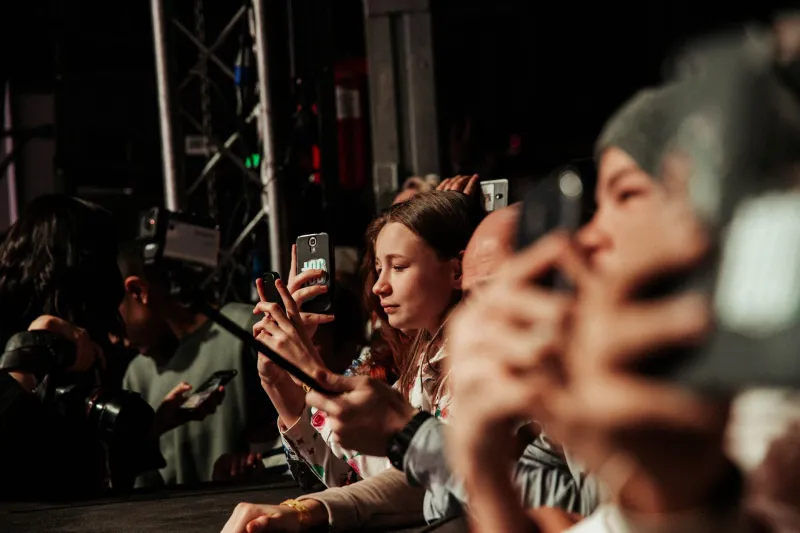
If your coworker posted an emotional breakdown on their personal Instagram, you'd probably feel some compassion. You might even reach out. But when a celebrity does the same thing, a significant chunk of the internet treats it like a spectator sport — analyzing, diagnosing, debating whether they deserve sympathy.
The parasocial relationships we form with public figures create this weird entitlement. We feel like we know them because we've watched them share so much of themselves. So when they share something that doesn't match the image we've built in our heads, it registers as a betrayal rather than just... a person being a person.
And this is where the trap fully closes. The celebrity shared too much. The audience feels something uncomfortable. The celebrity gets punished for making the audience feel that discomfort. And somewhere in a publicist's office, someone is drafting a statement about how their client is "taking time to focus on their mental health" — which is, of course, its own form of strategic oversharing.
What Actually Works Anymore
Honestly? The celebrities navigating this the best right now are the ones who've figured out how to seem open without actually giving anything away. They share carefully curated glimpses — enough to feel accessible, not enough to hand anyone a weapon.
It's a skill, and it's kind of exhausting to watch if you think about it too hard. The whole thing is a performance of non-performance, a managed version of being unmanaged.
But maybe the more useful takeaway isn't about strategy at all. Maybe it's about what this whole cycle says about us as an audience. We created the demand for radical transparency. We built the platforms that reward it. We're the ones who cheer when someone opens up and then pile on when what they reveal doesn't land the way we wanted.
The authenticity trap isn't just something celebrities fall into. We built it, and we keep maintaining it. That's worth sitting with for a minute.