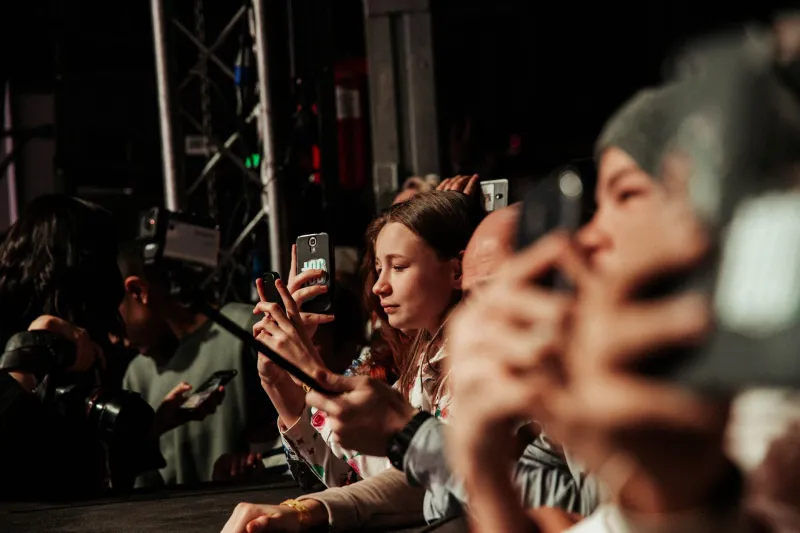
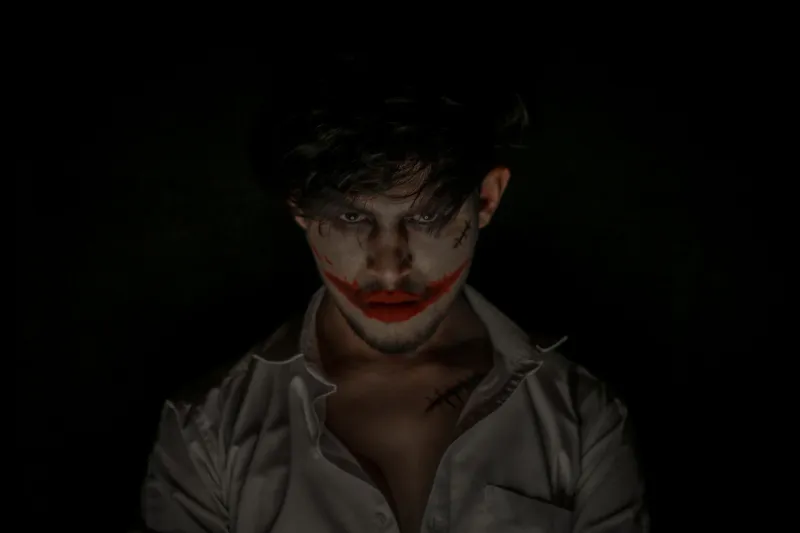
Performing Realness: The Strange Loop of Authenticity in the Social Media Age
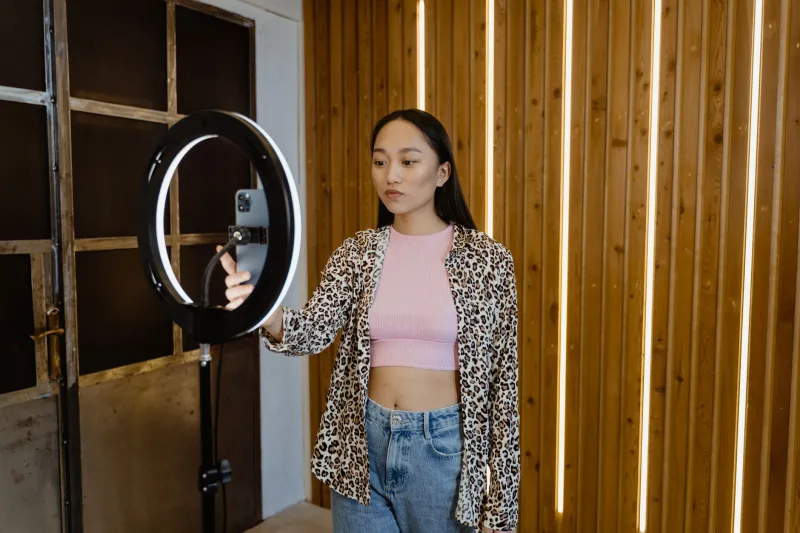
Here's something that should probably bother us more than it does: the most "authentic" moments we see from celebrities and creators online are almost always the product of a decision. Someone chose to post that no-makeup selfie. Someone's team greenlit the crying video. The messy kitchen in the background of that casual Instagram story? There's a good chance someone made sure it looked just messy enough.
None of that makes those moments fake, exactly. But it does make them something more complicated than real.
We've arrived at a genuinely weird place in entertainment culture — one where audiences loudly demand authenticity from the people they follow, while also being completely aware that what they're watching is, on some level, constructed. And somehow, both of those things are true at the same time, and we're all just kind of okay with it.
The Authenticity Industrial Complex
If you spend any time on TikTok, Instagram, or YouTube, you've probably noticed a particular aesthetic that's taken over in the last few years. It's the aesthetic of not having an aesthetic. Grainy footage. Casual confessionals filmed from a car seat. The "I wasn't going to post this but" opener. The deliberate absence of polish has become its own form of polish.
This is what we might call the authenticity industrial complex — a set of conventions and signals that communicate realness without necessarily delivering it. Creators learn the grammar of "being genuine" the same way earlier generations of celebrities learned how to pose for a magazine cover. It's a skill. It's a craft. And the best practitioners of it make it look completely effortless.
The strange thing is, this isn't entirely cynical. A lot of creators genuinely are sharing real parts of themselves. The format just happens to be codified enough that it can also be mimicked by people who aren't. And audiences, by and large, can't always tell the difference — or maybe more accurately, they don't always want to.
Why We Crave What We Know Is Curated
There's a psychological concept worth understanding here: parasocial relationships. These are the one-sided emotional bonds we form with public figures — the feeling that you know someone, even though they have no idea you exist. Parasocial relationships aren't new (people felt this way about Johnny Carson, about Oprah, about their favorite radio DJ), but social media has turbocharged them in ways that are still playing out.
The reason authenticity matters so much in this context is that parasocial bonds are fundamentally built on the illusion of access. When a creator shares something that feels unguarded — a bad day, a moment of self-doubt, a genuinely unpopular opinion — it feeds the sense that you're getting the real person behind the brand. That feeling of closeness is the whole product.
So we end up in this loop: creators perform authenticity because audiences reward it, audiences reward it because it satisfies the emotional need for connection, and the whole system keeps spinning even though everyone involved has some awareness that it's a performance. It's not exactly deception. It's more like a mutually agreed-upon fiction that happens to meet real emotional needs.
When the Mask Slips (And When It's Supposed To)
Occasionally, something genuinely unscripted happens — a creator has a real breakdown, says something they clearly didn't intend to say publicly, or gets caught in a contradiction between their curated self and their actual behavior. These moments are fascinating precisely because they break the spell.
But even then, the recovery is usually fast. The "authentic" response to an authenticity crisis is to post another authentic-seeming video explaining yourself. The cycle just restarts at a higher level of meta-awareness.
What's interesting is how audiences respond to these moments differently depending on who's involved. A creator with deep parasocial equity — someone whose audience has invested emotionally over years — tends to get more grace. The relationship has enough goodwill built up to absorb a crack in the facade. Newer or more overtly brand-driven figures don't have that buffer. When their mask slips, there's nothing underneath it that audiences feel connected to.
This tells us something important: it's not really authenticity people are after. It's the feeling of authenticity over time. Consistency matters more than any single unguarded moment.
What This Means for Where We're Headed
As AI-generated content gets more sophisticated and virtual influencers become more mainstream, the authenticity question is going to get even thornier. If a digital persona can be programmed to display all the linguistic and behavioral markers of realness, does that satisfy the same emotional need? Early evidence suggests some audiences will engage just as deeply — which either says something hopeful about human adaptability or something unsettling about how shallow our definition of "real" has always been.
For actual human creators, the pressure isn't going away. If anything, being demonstrably, provably human — with all the messiness and inconsistency that entails — may become a differentiator in a landscape increasingly crowded with polished synthetic content.
Maybe the future of authenticity is just being weird enough, contradictory enough, and genuinely hard to predict enough that no algorithm could fake you. That's not a terrible bar to clear.
But it does mean the performance never really stops. It just changes costumes.