The Brand Said One Thing. The Screenshots Said Another.
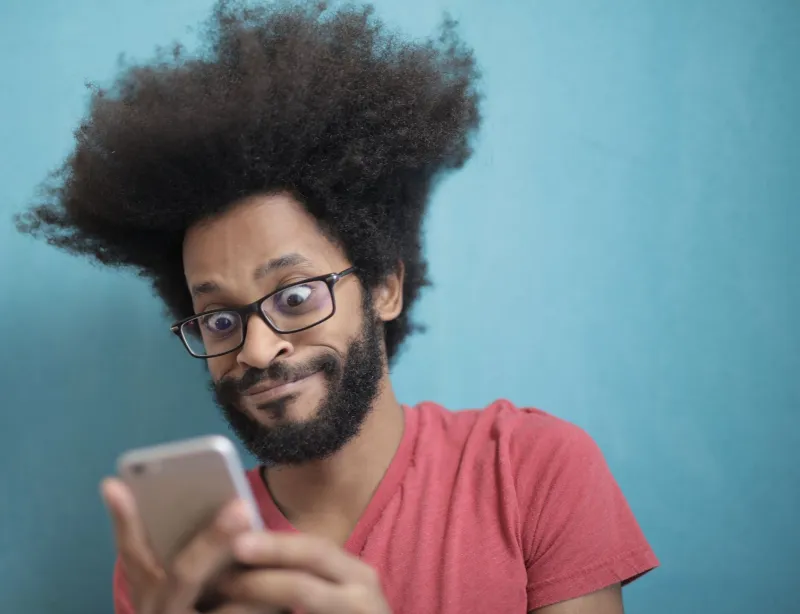
There's a specific kind of betrayal that only happens when a creator gets caught. It's not quite the same as finding out your favorite actor is a jerk in real life — it cuts deeper than that, and the reason why says everything about what we've been sold.
We've been in this weird cultural moment for a while now where the line between "celebrity" and "person you feel like you actually know" has completely dissolved. And the people who built careers on that dissolved line? Some of them are starting to pay for it.
The Persona Is the Product
Here's the thing about traditional Hollywood: nobody really expected Tom Hanks to be exactly like his characters. The separation between performer and person was baked into the contract. You bought a ticket to the movie, not to the man.
Social media flipped that. When a creator builds an audience around their morning routine, their values, their "real" opinions, their family, their struggles — the persona is the product. It's not a role they're playing in a two-hour film. It's supposedly just... them. Twenty-four seven. Unfiltered.
That's the pitch, anyway.
So when wellness influencers get caught chain-smoking behind the scenes, or when family-first creators turn out to be estranged from their actual families, or when the "I'm just like you" content person is quietly charging $50,000 for a brand deal they never disclosed — the audience doesn't feel like they saw behind the curtain of a performance. They feel like they got conned by a friend.
That distinction matters more than the entertainment industry has been willing to admit.
What "Authentic" Actually Promised
The word "authentic" has been doing a lot of heavy lifting for the past decade. Brands chased it. Platforms rewarded it. Creators weaponized it. And audiences, reasonably enough, started to believe it meant something real.
The promise was essentially this: I'm not a polished celebrity. I'm a real person. What you see is what you get.
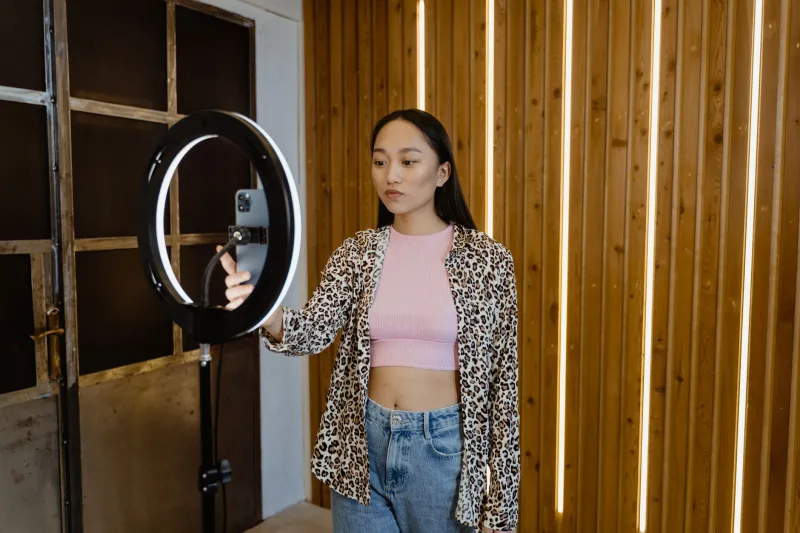
The problem is that "authentic" became a content strategy. And once it's a strategy, it's by definition curated. The raw, unfiltered moment you're watching was shot on a ring light, reviewed in post, and scheduled to go live at 7 PM on a Tuesday because the analytics said that's when engagement peaks.
None of that is inherently dishonest. Presentation is part of every media format, always has been. But the claim of radical transparency — the active, repeated insistence that there's no gap between the person and the profile — that's where things get complicated.
When the gap gets exposed, it's not just embarrassing. It retroactively reframes everything the audience thought they knew. Every vulnerable moment, every "I'm keeping it real with you guys," every tearful confession suddenly looks like a calculated move. And that reframing is brutal.
The High-Profile Crack-Ups
We've seen this play out enough times now that it's basically its own genre. The finance bro who preached frugality while quietly hemorrhaging money on a lifestyle his audience would never see. The body-positive creator who was simultaneously pursuing procedures she never mentioned. The couple who built an empire on relationship content and then split — not the split itself being the issue, but the months of "we're stronger than ever" posts that preceded the announcement.
What's interesting is how audiences respond in these moments. There's anger, obviously. But there's also something almost like grief. People in comment sections aren't just saying "you're a fraud" — they're saying "I defended you to people who told me this was fake." They're mourning the relationship they thought they had, the community they thought they were part of, the version of themselves that believed it.
That's not a typical celebrity scandal response. That's something closer to a personal betrayal.
Why We Hold Creators to a Different Standard
Is it fair? Probably not entirely. Creators are humans navigating an impossible standard — perform your whole authentic self, constantly, forever, and never let anything contradict the version your audience has decided you are.
But the standard exists because creators asked for it. Not always consciously, not always cynically, but the entire value proposition of the influencer economy is built on closeness, realness, and trust. You're not selling a product. You're selling a relationship. And relationships come with expectations that movie tickets don't.
Brands are figuring this out too, slowly. The corporate side of the creator economy spent years chasing "authentic voices" to sell everything from mattresses to meal kits, and now they're sitting with the consequences when those voices turn out to have been performing authenticity rather than living it. A brand scandal used to be containable. A creator scandal hits different when the creator's entire identity was the brand.
The Audit Nobody Asked For
Here's where it gets genuinely interesting from a cultural standpoint: audiences have gotten remarkably good at the kind of retroactive auditing that used to require investigative journalism.
Screenshots get saved. Old posts get archived. Inconsistencies get catalogued in Reddit threads and TikTok stitch videos with the kind of forensic detail that would make a fact-checker blush. The internet doesn't forget, and it's increasingly populated by people who have both the time and the motivation to make sure you don't forget either.
This creates a strange new accountability structure. It's not institutional. It's not always fair — mob dynamics are real, and pile-ons can be disproportionate. But it's also genuinely exposing things that would have stayed buried in an earlier media environment.
Creators who built their platforms on the promise of honesty are being held to that promise in ways they didn't anticipate. And the ones who navigated it best aren't necessarily the ones who were perfectly consistent — they're the ones who got ahead of their contradictions, acknowledged their own evolution, and stopped pretending that their curated self and their actual self were identical.
What This Is Really About
At the end of the day, the authenticity audit isn't really about creators lying. It's about what we wanted them to be, and what it means that so many of us wanted it badly enough to build entire parasocial relationships around the possibility.
We wanted proof that someone could be famous and still be real. We wanted evidence that the attention economy hadn't eaten everyone. We wanted a version of media that felt human.
Some creators genuinely tried to give us that. Some sold us a very convincing simulation of it. And now we're in the messy, uncomfortable process of figuring out which was which — one screenshot at a time.